Benefits of Upgrading Your Home With Modern Heating Installation
There is a certain kind of winter morning that exposes every weakness in an old heating system. You wake up before the alarm because the bedroom feels colder than it should. The hallway is warm, the kitchen is chilly, and the thermostat claims everything is fine even though your socks disagree. Down in the basement or utility closet, the furnace kicks on with a thump, runs hard for a few minutes, shuts off, then starts the whole routine again.
Most homeowners put up with that for longer than they should. I get it. Heating equipment is not exactly exciting to buy. Nobody brags at a backyard cookout about their new variable-speed blower the way they might talk about a new deck or kitchen counters. But when a modern heating installation is done correctly, you feel the difference every single day. The house gets quieter. Rooms even out. Utility bills become less annoying. Repair calls slow down. And the system stops feeling like a temperamental machine you have to babysit.
Upgrading your home’s heating is not just about replacing a metal box with a newer metal box. It is about matching the equipment to the house, fixing comfort problems that have been hiding for years, and making smart decisions before an emergency forces your hand.
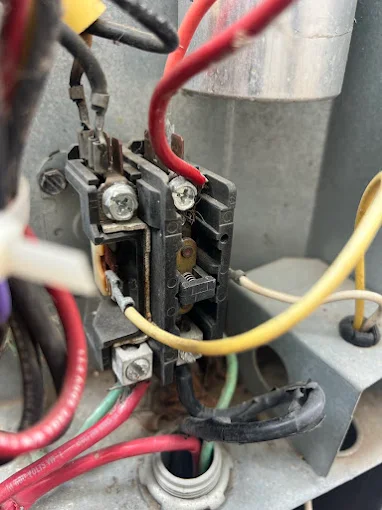
The old furnace is probably costing you more than you think
An older furnace can still produce heat and still be a poor performer. That is the part that trips people up. If warm air comes out of the vents, it feels like the system is “working.” But working and working well are two different things.
I have seen plenty of homes where the furnace technically ran, but it wasted fuel, short-cycled constantly, heated unevenly, and needed Furnace Repair every season. One homeowner had a unit that was about 22 years old. It fired up reliably enough, but the gas bills were brutal, and the upstairs bedrooms never felt comfortable. They had replaced the ignitor, the flame sensor, a blower capacitor, and a thermostat over a few winters. None of those repairs were outrageous by themselves. Together, they added up to a pretty clear message: the furnace was done earning its keep.
Heating equipment loses efficiency for a bunch of reasons. Burners get dirty. Heat exchangers age. Blower motors weaken. Duct leakage becomes more noticeable as airflow drops. Controls fall behind modern standards. Even if the system was installed well 20 years ago, the home may have changed since then. Maybe the attic got insulated, windows were replaced, a basement was finished, or an addition was built. The old system may no longer match the actual heating load of the home.
That mismatch matters. An oversized furnace can heat the house too quickly, shut off before air mixes properly, and leave cold spots behind. An undersized one may run nonstop in cold weather and still fail to keep up. Proper Heating Installation starts with sizing, not guesswork.

Modern heating feels different
People often expect the biggest upgrade to show up on the utility bill. Sometimes it does. But the first thing many homeowners notice is comfort.
Modern furnaces, heat pumps, and hybrid systems are better at delivering steady heat. Instead of blasting hot air in short bursts, many systems can run longer at lower speeds. Furnace Repair That sounds less dramatic, but it makes a home feel calmer and more consistent. A variable-speed furnace, for example, can move air gently for longer periods, which helps reduce temperature swings from room to room. You may not hear the system roar to life as often. You may not feel that dry, overheated rush from the register followed by a cool dip ten minutes later.
This matters most in houses with tricky layouts. Older two-story homes, ranches with long duct runs, homes with bonus rooms over garages, and houses with lots of glass can all suffer from uneven heating. A better system will not magically fix a terrible duct design, but modern equipment gives a good installer more control. Airflow can be adjusted more precisely. Staging can be set up properly. Smart thermostats can improve scheduling. Zoning may be an option in some homes, though it needs careful design to avoid airflow problems.
The point is not that every house needs the fanciest system available. The point is that modern Heating Services should look at comfort as a whole, not just whether the furnace turns on.
Energy efficiency that actually means something
Efficiency ratings can get confusing fast. You will hear terms like AFUE for furnaces, HSPF2 for heat pumps, and SEER2 for cooling if the system includes air conditioning. For gas furnaces, AFUE is the big one. A furnace with 80 percent AFUE turns roughly 80 percent of its fuel into usable heat, while the rest goes up the flue. A high-efficiency condensing furnace may reach around 90 to 98 percent AFUE, depending on the model.
That does not mean your bill drops by the exact difference between the old rating and the new rating. Real-world savings depend on fuel prices, weather, duct condition, thermostat habits, insulation, and how the previous system was performing. Still, the efficiency jump can be meaningful, especially when replacing a very old furnace.
A common situation is an older natural draft furnace from the 1990s or earlier being swapped for a sealed-combustion condensing furnace. The new unit pulls combustion air from outside and vents through PVC or approved venting material, depending on local code and manufacturer specs. It wastes less heat, runs more safely when installed correctly, and usually offers better control options.
Heat pumps deserve a serious look too, especially in milder climates or homes where electricity rates are favorable. Modern cold-climate heat pumps are much better than the older units many people remember. They can produce heat in surprisingly low outdoor temperatures, though performance still depends on climate, equipment selection, and installation quality. In some areas, a dual-fuel setup makes sense: the heat pump handles moderate weather, and a gas furnace takes over during deeper cold. That kind of system is not right for everyone, but when designed well, it can balance comfort and operating cost nicely.
Fewer surprise repairs and less winter stress
There is a special frustration that comes with a furnace breakdown during the first serious cold snap of the season. Every HVAC company is busy. Parts may be delayed. Emergency rates can sting. You are making decisions while the house is getting colder, which is not exactly the best mindset for comparing equipment options.
Planned Furnace Replacement gives you control. You can choose the timing, review options, ask questions, and avoid being cornered into whatever unit is available on short notice. That alone is worth more than many homeowners realize.
Older systems often enter a repair spiral. One part fails, then another, then another. A single Furnace Repair may make sense if the unit is otherwise in good shape. But if the furnace is 18 to 25 years old, inefficient, noisy, and showing signs of heat exchanger wear or repeated ignition problems, pouring money into it can become a bad bet. There is no universal age where replacement becomes mandatory, but age plus repair history tells a story.
Here is a practical way to think about it:
- If a repair costs a small amount and the furnace has been reliable, repairing may be reasonable.
- If a major repair costs a large chunk of replacement value, pause before approving it.
- If the system is old and inefficient, factor future energy waste into the decision.
- If safety-related parts are involved, take the recommendation seriously and ask for clear findings.
- If comfort has been poor for years, do not replace parts and expect a miracle.
That is one of the few times a simple list helps, because panic repairs can make everything feel urgent. A good contractor should explain the condition of the equipment, not pressure you with vague warnings.
Safety improvements are a big deal
Heating systems involve fuel, electricity, combustion, high temperatures, venting, and airflow. That does not mean they are scary. It means they need to be installed and maintained correctly.
Modern furnaces include safety controls that older systems may not have had, or may not have had in the same quality. Pressure switches, rollout switches, flame sensors, limit controls, inducer motors, and improved ignition systems all help the furnace operate within safe boundaries. Sealed combustion equipment can also reduce certain risks by isolating the combustion process from indoor air.
Carbon monoxide is the safety topic homeowners hear about most, and rightly so. A cracked heat exchanger, blocked vent, backdrafting appliance, or improper installation can create dangerous conditions. You should have working carbon monoxide alarms in the home no matter how new your equipment is. New equipment lowers some risks, but it does not replace common sense or proper maintenance.
Venting is another area where professional installation matters. High-efficiency furnaces produce condensate and require correct vent slope, pipe sizing, termination clearance, and drainage. If someone treats venting like an afterthought, problems can show up as nuisance shutdowns, corrosion, water damage, or unsafe operation. The same goes for gas piping, electrical connections, condensate disposal, and combustion setup.
A quality Furnace Installation includes commissioning. That means the installer checks temperature rise, gas pressure, combustion readings where appropriate, static pressure, blower settings, drainage, thermostat operation, and safety controls. Skipping those steps is like buying a tailored suit and never checking whether it fits.
The ductwork might be part of the problem
Homeowners often blame the furnace for every comfort issue, but the duct system deserves suspicion too. I have been in homes with brand-new furnaces connected to ductwork that looked like it had been designed during a lunch break. Crushed flex duct, leaky return connections, undersized filter racks, unsealed basement runs, and poorly placed registers can sabotage good equipment.
If you are upgrading your heating system, it is the right time to talk about airflow. A modern furnace may need a specific amount of air moving across the heat exchanger. Too little airflow can make the furnace run hot, trip limits, create noise, reduce efficiency, and shorten equipment life. Too much airflow can feel drafty and loud. The sweet spot depends on the equipment and the home.
Static pressure testing is one of those behind-the-scenes checks that separates careful Heating Services from basic equipment swapping. High static pressure means the blower is fighting resistance. The cause might be a restrictive filter, undersized ductwork, closed dampers, poor return design, or an evaporator coil clogged with dust. Some fixes are simple. Others require duct modifications. Either way, knowing is better than guessing.
This is also where filter choices come into play. People love high-MERV filters because they catch smaller particles, but not every system can handle the added resistance. A better filter cabinet with more surface area may allow stronger filtration without choking airflow. That is a small detail that can make a big difference.
Smart controls can help, but they are not magic
A smart thermostat can improve comfort and reduce energy use, especially if your schedule changes or you tend to forget setbacks. But smart controls cannot overcome bad sizing, poor ductwork, or sloppy installation.
The best thermostat setup depends on the system. A single-stage furnace may need basic heat calls. A two-stage or modulating furnace may perform better with communicating controls or correctly configured staging. Heat pumps need proper balance point settings, auxiliary heat lockouts, and defrost considerations. If the thermostat is wired or programmed incorrectly, the system may run less efficiently than it should.
I have seen high-end systems installed with controls set like a basic on-off furnace. The homeowner paid for better technology but did not get the full benefit. That is frustrating and avoidable. During a modern Heating Installation, the contractor should explain how the thermostat works in plain language. You do not need an engineering lecture, but you should know how to change schedules, what emergency heat means if you have a heat pump, and when not to override settings.
A good setup should feel easy to live with. If you need a manual every time you want the house warmer, something went wrong.
Quieter operation changes the feel of a home
Noise is underrated until it disappears. Old furnaces can bang, rattle, hum, whistle, and roar. Some of that comes from the equipment itself. Some comes from ductwork expanding and contracting. Some comes from high airflow through undersized ducts or restrictive grilles.
Modern equipment often runs quieter, especially models with variable-speed blowers, insulated cabinets, and staged heating. Longer, lower-speed cycles reduce the sudden blast that makes vents hiss. Better installation practices help too. Proper transitions, vibration isolation, sealed return ducts, and correct blower settings can all reduce sound.
This matters in finished basements, small homes, nurseries, home offices, and bedrooms near mechanical rooms. If you work from home, a loud furnace is not just background noise. It interrupts calls, recordings, focus, and sleep. A quieter system makes the house feel better built.
Of course, quieter does not always mean silent. Air moving through ducts makes some sound. A mechanical room needs clearances and airflow. But if the old furnace sounds like a clothes dryer full of shoes, an upgrade can be a relief.
Home value and buyer confidence
A modern heating system may not raise resale value dollar for dollar, but it can remove a major objection for buyers. When people tour a home and see a furnace from another decade with rust on the cabinet and service tags stacked like tree rings, they start mentally subtracting money from their offer.
A recent Furnace Replacement, especially with permits and documentation, gives buyers confidence. It shows the home has been maintained. It also reduces the chance of inspection drama. Home inspectors pay close attention to heating equipment age, venting, visible corrosion, combustion air, and general installation quality. A clean, professionally installed system with service records makes that part of the sale easier.
If you plan to sell soon, you may not need the highest-end system. But you should avoid bargain-basement work. A cheap installation can create permit issues, inspection problems, and buyer skepticism. If you plan to stay in the home for years, comfort and operating cost matter more, so better equipment may be worth considering.
Rebates, tax credits, and financing can change the math
Heating upgrades can qualify for rebates or incentives depending on your location, utility provider, equipment type, efficiency rating, and program timing. These programs change often, so it is risky to quote specific numbers without checking current local details. Still, it is worth asking before you choose equipment.
Heat pumps, high-efficiency furnaces, and certain electrical upgrades may qualify for incentives in some areas. Utilities sometimes offer rebates for equipment that meets specific efficiency thresholds. Manufacturers may offer seasonal promotions. Contractors may offer financing, though you should read the terms carefully and compare the total cost, not just the monthly payment.
The key is to consider incentives before installation. Many programs require specific model numbers, contractor participation, proof of installation, or paperwork submitted within a deadline. If you find out after the job is done, you may miss out.
Do not let a rebate push you into the wrong system, though. Saving money upfront does not help if the equipment is poorly suited to your home. Incentives should improve a good decision, not create a bad one.
Choosing the right type of heating system
There is no single best heating system for every house. Climate, fuel availability, utility rates, insulation, duct condition, budget, and personal comfort preferences all matter.
Gas furnaces remain common because they produce strong heat and work well in cold climates. High-efficiency models can be a smart upgrade where natural gas is available and affordable. Propane furnaces are also common in rural areas, though fuel costs can vary widely. Electric furnaces are simpler but can be expensive to operate in many regions unless electricity is cheap or heating demand is low.
Heat pumps are gaining ground because they move heat rather than creating it through combustion. In moderate weather, they can be very efficient. Cold-climate models have improved a lot, but they still need thoughtful design in areas with harsh winters. Some homes pair a heat pump with a furnace, creating a hybrid system that switches fuel sources based on outdoor conditions and cost.
Boilers are another category altogether. If your home has radiators or radiant floor heat, Furnace Services will not apply in the same way, but modern boiler replacement offers similar benefits: better efficiency, improved controls, quieter operation, and more even comfort. The installation details are different, and hydronic systems require a contractor who understands pumps, piping, expansion tanks, air elimination, and water temperature control.
The right answer is usually not found in a brochure. It comes from looking at the house.
What a proper installation should include
A heating system is only as good as its installation. That sounds like something contractors say to justify labor costs, but it is true. The same furnace can perform beautifully in one home and terribly in another because of sizing, ductwork, venting, setup, and commissioning.
Before installing equipment, a contractor should ask about comfort problems, not just square footage. They should look at insulation levels, windows, ceiling heights, duct layout, return air, existing equipment size, and fuel type. In many cases, a load calculation is appropriate, especially if the home has been renovated or the old system never performed well.
During the estimate, you should expect clear conversation about efficiency levels, equipment stages, blower type, warranty, maintenance needs, permit requirements, and any duct or venting changes. If someone gives you a price after glancing at the old furnace for thirty seconds, be careful. Fast is not always wrong, but heating systems deserve more attention than that.
A solid Heating Installation typically includes these core pieces:
- Correct equipment sizing based on the home, not just the old nameplate.
- Safe venting, gas, electrical, and condensate work that follows code and manufacturer requirements.
- Airflow checks and blower setup so the system operates within specifications.
- Thermostat configuration matched to the equipment type.
- Startup testing, safety checks, and a homeowner walkthrough.
That is not fancy. That is the baseline. If those pieces are missing, even premium equipment can disappoint.
When repair still makes sense
Upgrading is not always the right move. Sometimes Furnace Repair is the practical choice. If the system is relatively young, the heat exchanger is sound, parts are available, and the issue is minor, repair can buy many more years of service. A failed ignitor or capacitor on an otherwise healthy furnace does not automatically mean replacement.
Budget matters too. Not every household can replace a system the moment efficiency drops. A good technician should respect that and help prioritize safety first, reliability second, and efficiency third. If a repair keeps the system running safely through the season, you may decide to plan replacement in spring or summer when scheduling is easier.
The gray area comes with older systems and expensive repairs. A blower motor on an aging furnace can cost enough to make you hesitate. A control board plus inducer motor plus overdue maintenance might push the decision toward replacement. If the heat exchanger is cracked, replacement often becomes the more sensible path, though you should ask for clear evidence and, when needed, a second opinion.
No honest professional can tell you exactly how long an old furnace will last after a repair. The best they can do is explain the condition, risks, and options.
Maintenance still matters after the upgrade
A new heating system is not maintenance-free. It may need less attention than the old one, but it still needs care. Annual service helps keep efficiency and reliability where they should be. It also protects warranties in many cases, since some manufacturers expect regular maintenance.
A typical maintenance visit may include checking burners, flame signal, gas pressure, electrical connections, safety controls, blower components, condensate drainage, venting, thermostat operation, and filter condition. For heat pumps, coil condition, refrigerant performance, defrost operation, and outdoor unit clearance matter too.
Homeowners have a role as well. Replace or clean filters on schedule. Keep return vents open. Do not block supply registers with furniture. Keep storage away from the furnace. Make sure outdoor heat pump units are not buried in leaves, snow, or overgrown shrubs. Small habits prevent big headaches.
One of the most common preventable service calls is a clogged filter. It can cause overheating, weak airflow, frozen coils in combined systems, and comfort complaints. People sometimes assume a thicker or denser filter is automatically better, but airflow has to come first. Ask your technician what filter type fits your system.
The comfort upgrade you notice room by room
The best heating upgrades fade into the background. That is the compliment. You stop thinking about the furnace because the house simply feels right.
The bathroom is not freezing at 6 a.m. The living room does not overheat while the bedrooms lag behind. The basement no longer smells faintly dusty every time the heat starts. The thermostat does not need constant nudging. Guests do not ask why one room is so cold. The furnace does not wake anyone up at night.
These everyday improvements are hard to capture on a spec sheet. Efficiency ratings matter, warranties matter, brand reputation matters, but lived comfort matters too. A system that saves a little energy but leaves you annoyed is not a great investment. A well-designed upgrade should improve both the numbers and the feel of the home.
That is why the conversation should start with how you live. Do you keep the house warmer during the day because someone works from home? Are there elderly family members or young children who need steadier temperatures? Do allergies make filtration important? Is one bedroom always uncomfortable? Is the mechanical room near a finished space where noise matters? Details like these shape the right recommendation.
Avoiding the cheapest mistake
Everyone wants a fair price. Heating equipment is expensive, and nobody enjoys a surprise quote. But the cheapest bid can become the most expensive option if it skips the work that makes the system perform.
A low price may leave out permits, duct transitions, venting corrections, thermostat upgrades, filter cabinet improvements, electrical updates, or proper commissioning. Sometimes it includes lower-grade equipment with shorter warranties or limited parts availability. Sometimes the equipment itself is fine, but the labor allowance is too tight for careful work.
That does not mean the highest bid is automatically best. Ask what is included. Ask how sizing is determined. Ask whether ductwork needs changes. Ask what happens if the system is noisy or airflow is poor after installation. Ask who handles warranty registration. A contractor who answers clearly is usually a better bet than one who dodges details.
Good Furnace Services are not just about tools and trucks. They are about judgment. A technician who has spent years crawling through attics, squeezing into basements, listening to noisy returns, and fixing bad installs will see things a salesperson might miss. That experience matters.
Planning your upgrade before the cold hits
The best time to think about heating replacement is before the old system fails. Late summer, early fall, and mild spring weather often give you more scheduling flexibility. Contractors are not as buried in emergency no-heat calls, and you have time to compare options without pressure.
Start by gathering basic information: the age of your current system, recent repair history, fuel type, average utility costs, comfort complaints, and any home improvements you have made. If you have had recurring Furnace Repair visits, look at what was replaced and when. Patterns help.
Then get an in-home evaluation from a qualified contractor. A phone quote may give a rough range, but it cannot capture venting, ductwork, access, code issues, or comfort concerns. If your system is still running, you are in a stronger position. You can make a calm decision instead of accepting whatever gets heat back fastest.
Modern Heating Installation is one of those home upgrades that pays you back in comfort first, then reliability, then efficiency. It is not glamorous, but neither is waking up cold or waiting all day for an emergency repair truck. When the equipment fits the house and the installation is done with care, your heating system becomes what it should have been all along: quiet, steady, safe, and mostly forgotten.
Corrections
Spot something wrong? Send it to the desk and it gets fixed in the open.